Thick hair has the opposite problem from fine hair, and it gets the opposite bad advice. People with a lot of hair, or very coarse strands, or both, often hear one word at the salon: thinning. Used loosely, that word covers several different techniques that do very different things, and picking the wrong one is how a full head of hair ends up poufy on top, frizzy at the ends, and growing out into a shape nobody chose.
Taking weight out is a real skill, and there are good options. The trick is matching the method to where your bulk actually sits. Thick hair in Wadesboro tends to misbehave most in the humid months, when extra mass holds heat and the outer layer swells, so the goal is controlled removal in specific zones, not less hair everywhere.
First, name the problem correctly
Bulk shows up in a few predictable places. Some heads are heaviest at the back and sides, so the shape balloons out at ear level. Some are heaviest at the ends, so the bottom looks like a shelf. Some are fine at the perimeter but dense underneath, so the hair stacks and will not lie down. Each of those calls for a different technique, and a stylist who asks where your hair feels heaviest, rather than just reaching for thinning shears, is solving the actual problem.

The real options, side by side
| Method | What it actually does | Best for | Watch out for |
|---|---|---|---|
| Interior layering | Shorter pieces cut inside the haircut, hidden under the surface layer | Removing bulk while keeping a smooth outer shape | Too many layers can make thick hair expand outward instead of lying flatter |
| Thinning shears | Notched blades cut a percentage of strands in each pass | Softening dense zones and blending heavy lines | Overuse near the surface creates short flyaway pieces that frizz in humidity |
| Slide cutting / point cutting | Scissors glide or snip into sections to remove weight with more control | Targeted debulking and softer ends on thick, straight hair | Takes skill; done carelessly it can leave uneven pockets |
| Undercut | The lowest section at the nape or sides is clipped short underneath | Very dense hair that needs real volume and heat relief underneath | It is a commitment: the grow-out phase underneath takes patience |
| Long layers only | Length stays, shape is carved with long gradual layers | Thick wavy hair that needs movement without losing its perimeter | Will not fix true density; it redistributes shape more than weight |
What thinning should never mean
Thinning should not mean running notched shears through the whole head from root to tip. That creates thousands of short pieces at every length, and on thick or wavy hair those short pieces push the longer ones outward and frizz the moment Piedmont humidity arrives. It also should not mean removing so much interior hair that the ends go wispy while the crown stays dense, which gives you the triangle shape most thick-haired people are trying to escape. And it should never be a surprise. You should know which tool is being used, where on the head, and why.
Growing it out without the awkward phase winning
Any weight-removal cut has a grow-out curve. Interior pieces grow back and, around the two-to-three-month mark, the hair often feels bulky again in the same spots. That is normal and is the reason thick hair usually does well on a regular trim schedule: small, consistent debulking keeps the shape steady instead of alternating between a big removal and a long, heavy regrowth. Between appointments, drying matters too. Thick hair holds water for a long time, and hair that goes to bed damp or gets piled up wet will dry in whatever shape it was left in. At Salon 52, bringing a photo of your hair on its worst, heaviest day is genuinely useful, because it shows the stylist the problem at full size.
Common questions
Will thinning shears damage my hair?
Used well, no. Used all over and too close to the surface, they create short pieces that frizz and make thick hair look rougher as it grows out. The tool is fine; the placement is everything.
Is an undercut only for short hairstyles?
No. A hidden nape undercut works under long hair too, removing heat and bulk where nobody sees it. It does commit you to growing that section back out if you change your mind.
How often does thick hair need weight taken out?
For most people, a shape-and-debulk appointment every eight to twelve weeks keeps things steady. If the bulk returns in the same spot much sooner, the removal pattern, not the schedule, is usually the issue.
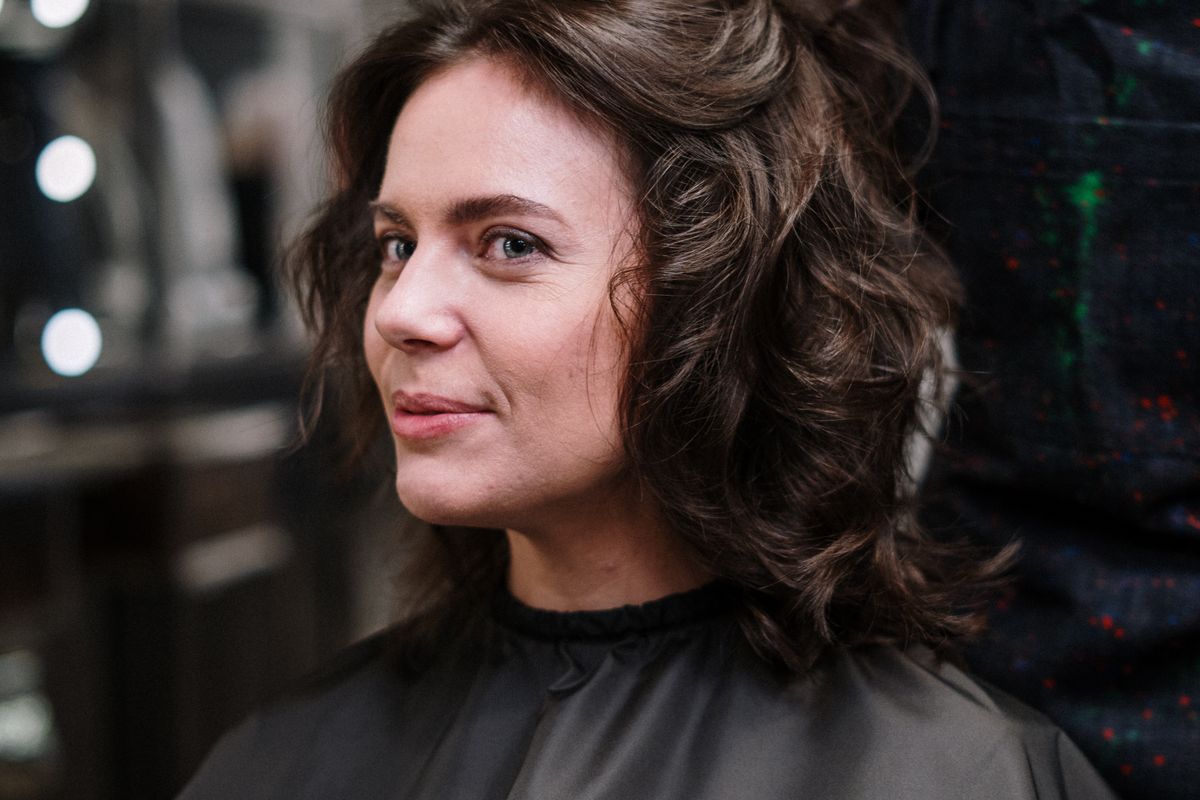
Photos in this guide are representative stock images.
← All guides from Salon 52← Back to Salon 52